
 O'zbek
 Ўзбек
Ўзбек
 Русский


 Accessibility


The VI Tashkent Anti-Corruption Forum Held
Under the slogan “A New Architecture of Anti-Corruption Governance: Towards Effective Preventive Measures”, the prestigious international anti-corruption event — the VI Tashkent Anti-Corruption Forum — was held in the capital city.
The Forum, traditionally organized on an annual basis, has evolved not only into a platform for mutual experience sharing and discussion, but also into an important international platform aimed at strengthening regional and global cooperation in combating corruption and building a just and transparent society.
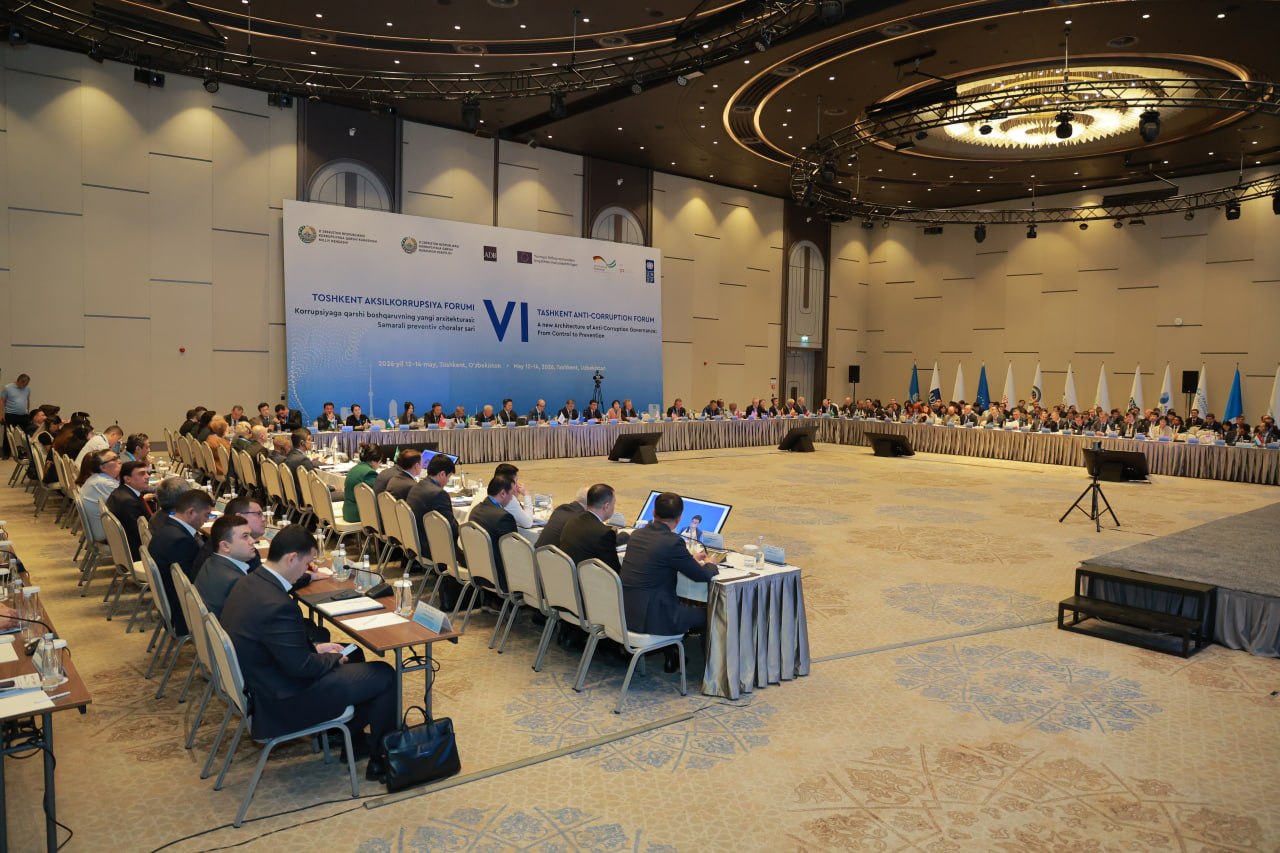
This year’s Forum was organized by the Anti-Corruption Agency and the National Anti-Corruption Council of the Republic of Uzbekistan, with the support of a number of international partners, including the Asian Development Bank (ADB), German Agency for International Cooperation (GIZ), the European Union (EU), and the United Nations Development Programme (UNDP).
The number and geographical coverage of participants in the Forum continue to expand. This year, representatives and leadership of anti-corruption agencies from Japan, Hong Kong, Azerbaijan, Singapore, Timor-Leste, Kyrgyzstan, Saudi Arabia, the Republic of Korea, Malaysia, Estonia, Bhutan, the Cook Islands, Kazakhstan, Tajikistan, Turkmenistan, Mongolia, Lithuania, Latvia, Sri Lanka, Cambodia, Nepal, and other countries gathered at the event.
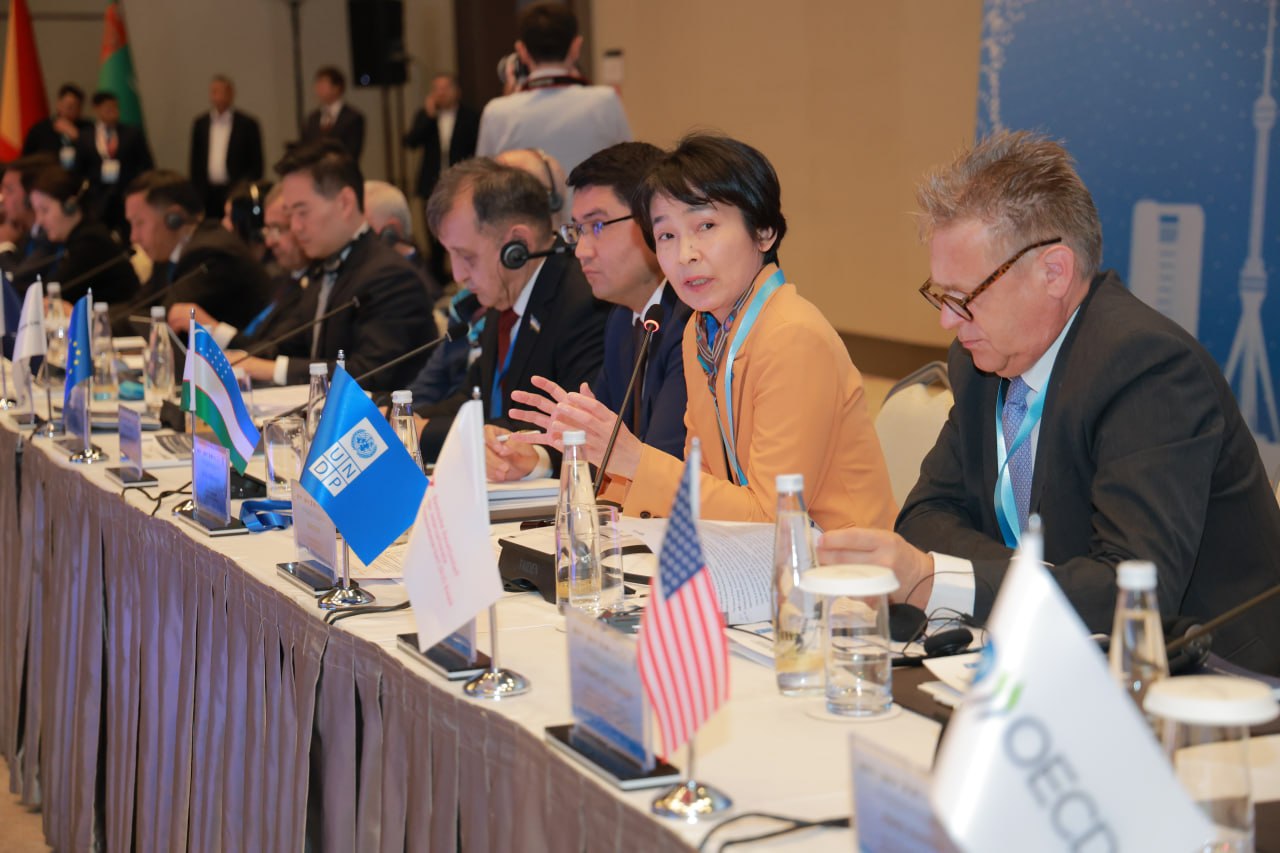
The Forum also brought together leading experts, members of parliaments, representatives of government bodies and civil society institutions from the United Nations, the European Union, the Organisation for Economic Co-operation and Development (OECD), the World Bank, the Asian Development Bank, the Organization for Security and Co-operation in Europe (OSCE), Transparency International, the “Regional Dialogue” International NGO, the U.S. Department of State, GIZ, the Turkish Cooperation and Coordination Agency (TIKA), the Konrad Adenauer Foundation, as well as UN system organizations.
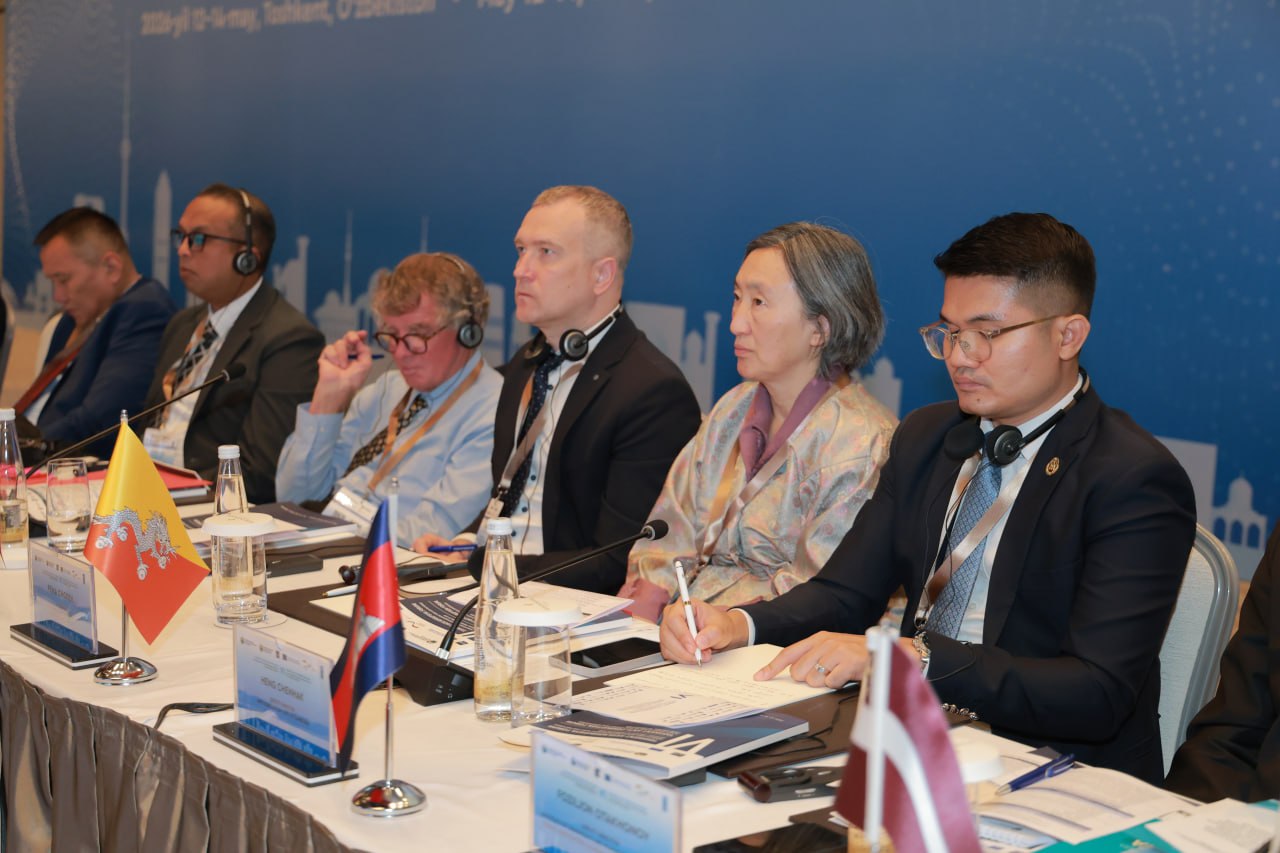
The program of this year’s Forum included a high-level plenary session, as well as three thematic discussions dedicated to institutional transparency and accountability, corruption prevention mechanisms at central and local levels, and strengthening anti-corruption education and public participation.
Key speakers — Hannes Astok from the e-Governance Academy of Estonia and Egidijus Radzevicius from the Special Investigation Service of Lithuania — emphasized that digital integration is one of the most effective tools for ensuring accountability. Experts from Azerbaijan and Japan noted that institutional transparency is an effective mechanism for eliminating the “human factor” in corruption-prone processes.
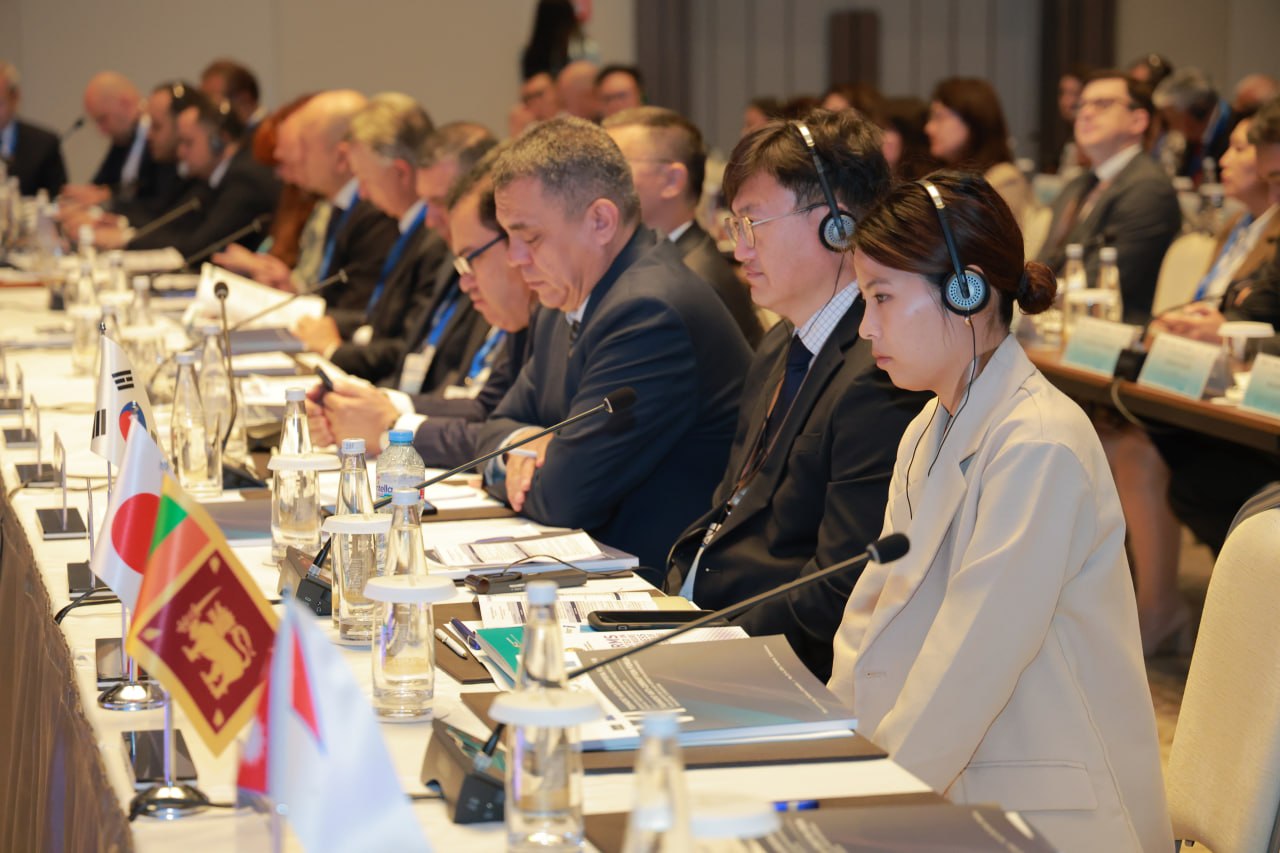
Representatives of anti-corruption agencies from Hong Kong, Singapore, Saudi Arabia, and Malaysia presented advanced models of cooperation with the public and anti-corruption education. During the discussions, it was particularly emphasized that social partnership and the enhancement of legal awareness play a decisive role in building a resilient society against corruption.
The discussions also focused on the implementation of high-level strategies at the local level, with an exchange of views on developing effective preventive mechanisms adapted for local governance systems.
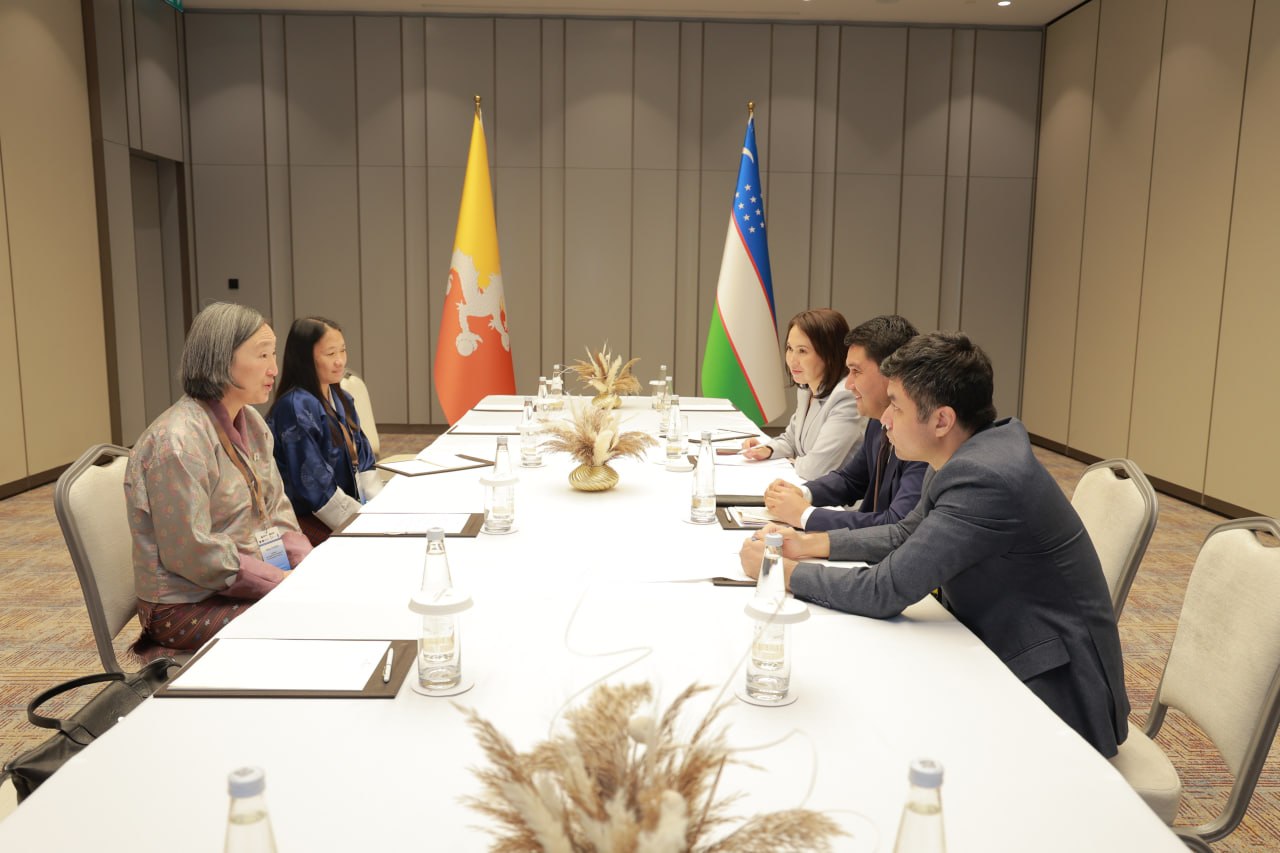
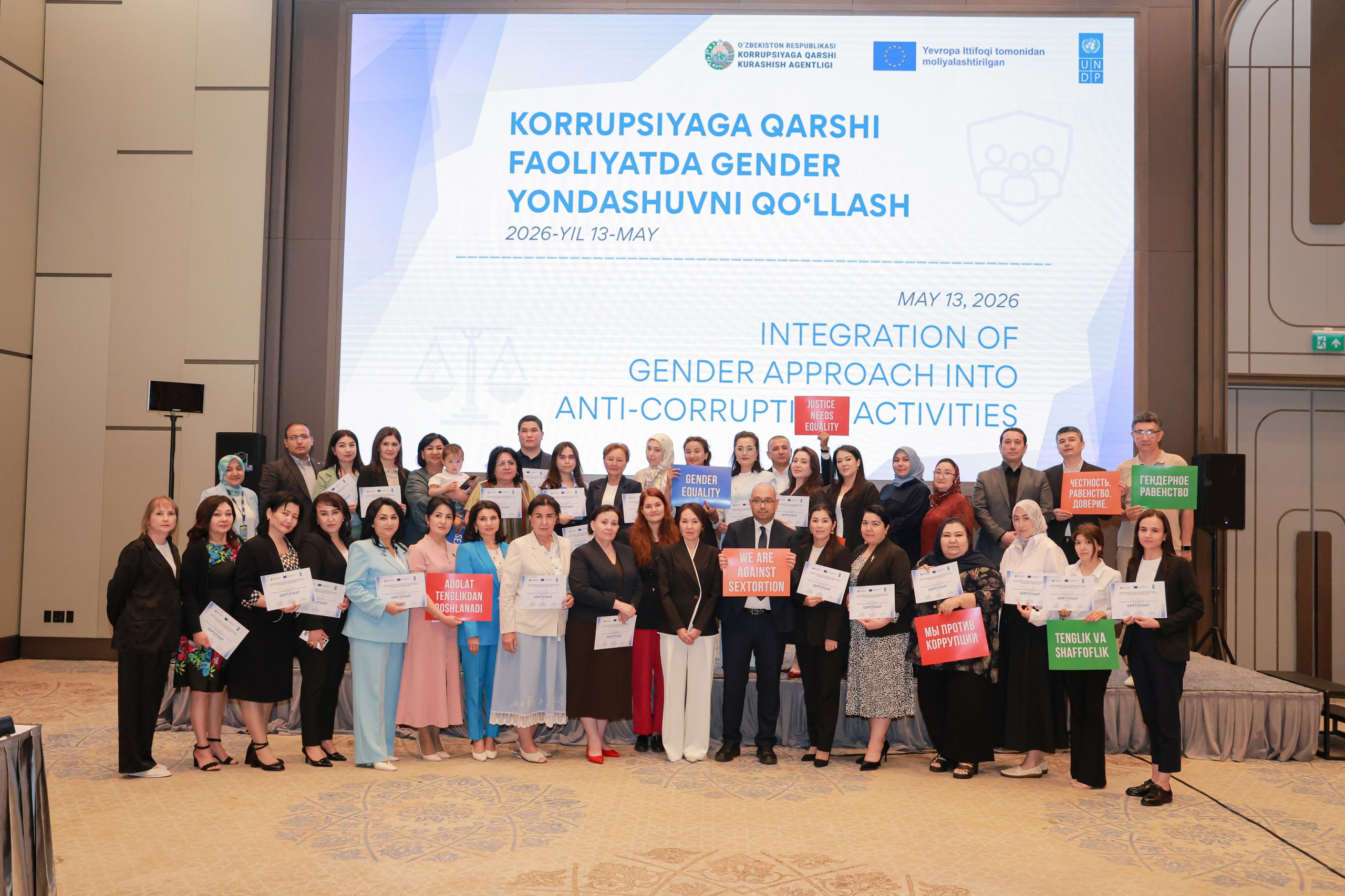
Within the Forum, a practical training session titled “Introducing a Gender Approach to Anti-Corruption Measures” was organized in cooperation with the European Union and the United Nations Development Programme, with participation of women-led NGOs, ministries and agencies, higher education and research institutions, as well as civil society activists.
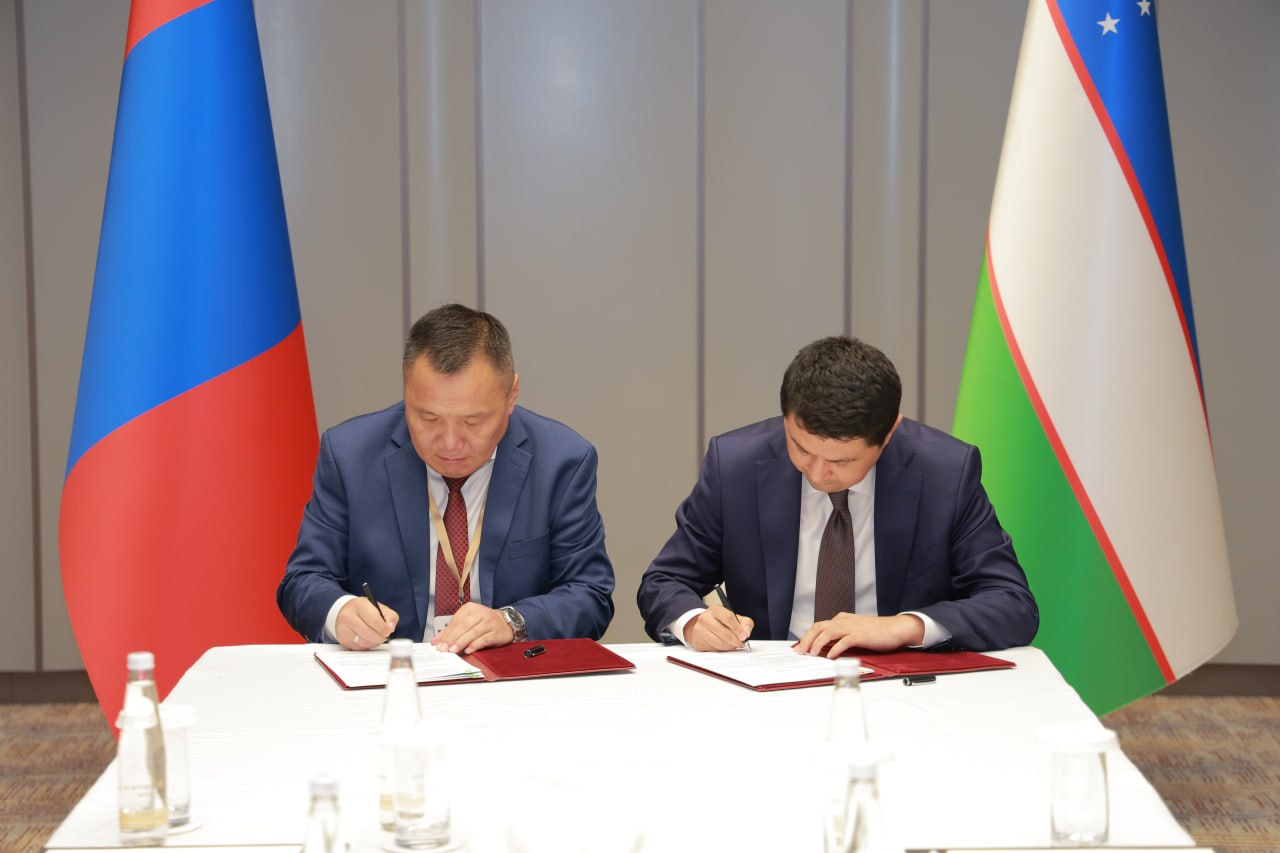
During the Forum, bilateral meetings were held between the leadership of the Anti-Corruption Agency and Pema Choden, Chair of the Anti-Corruption Commission of the Kingdom of Bhutan, as well as Zandraa Dashdavaa, Director of the Independent Authority Against Corruption of Mongolia.
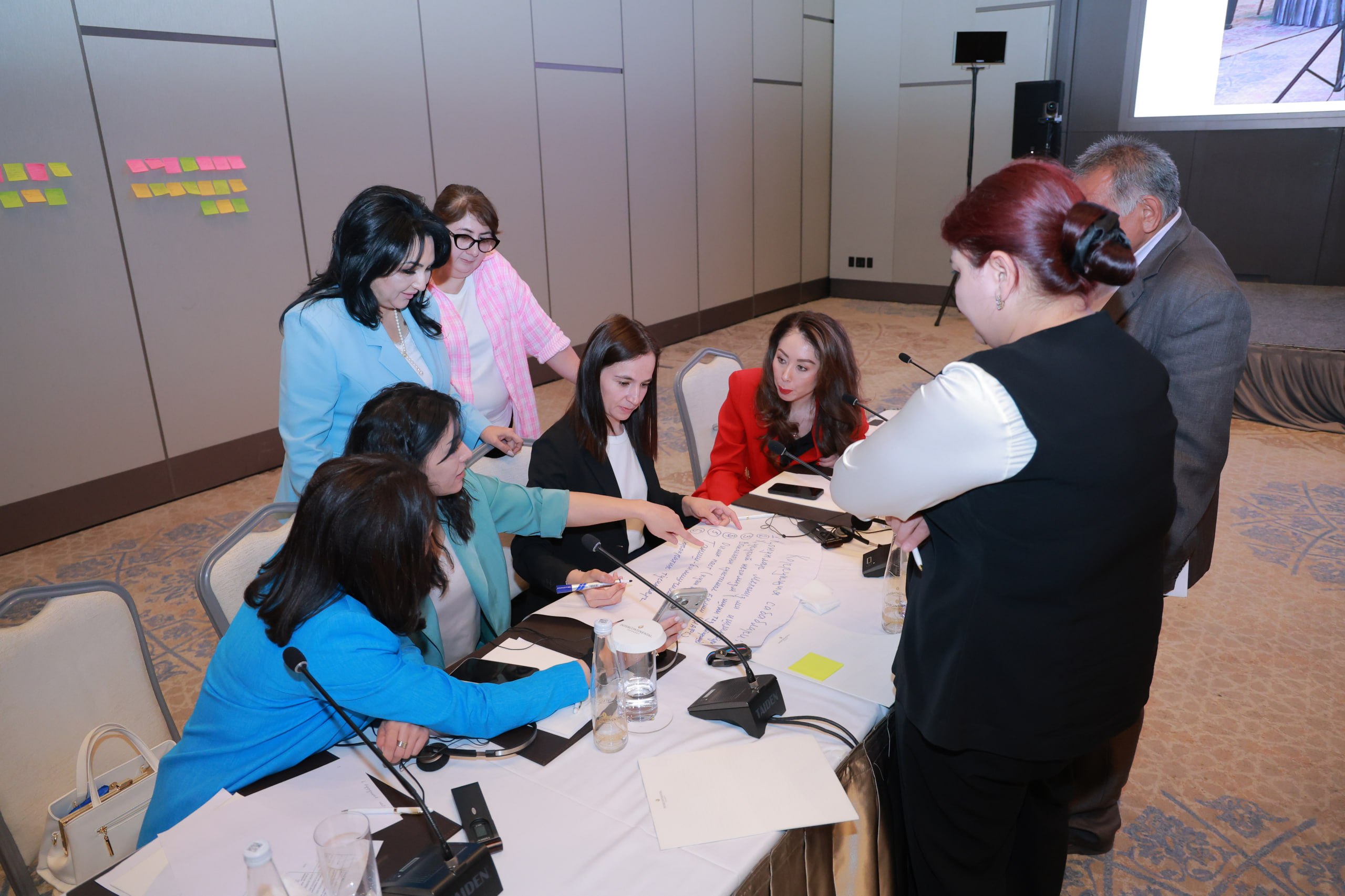
The meetings focused on expanding cooperation in the field of anti-corruption, exchanging experience, and implementing joint initiatives, resulting in important agreements.
It is also noteworthy that, within the framework of this year’s Forum Week, Uzbekistan hosted for the first time the meeting of the Asia and Pacific Law Enforcement Network (AP-LEN).
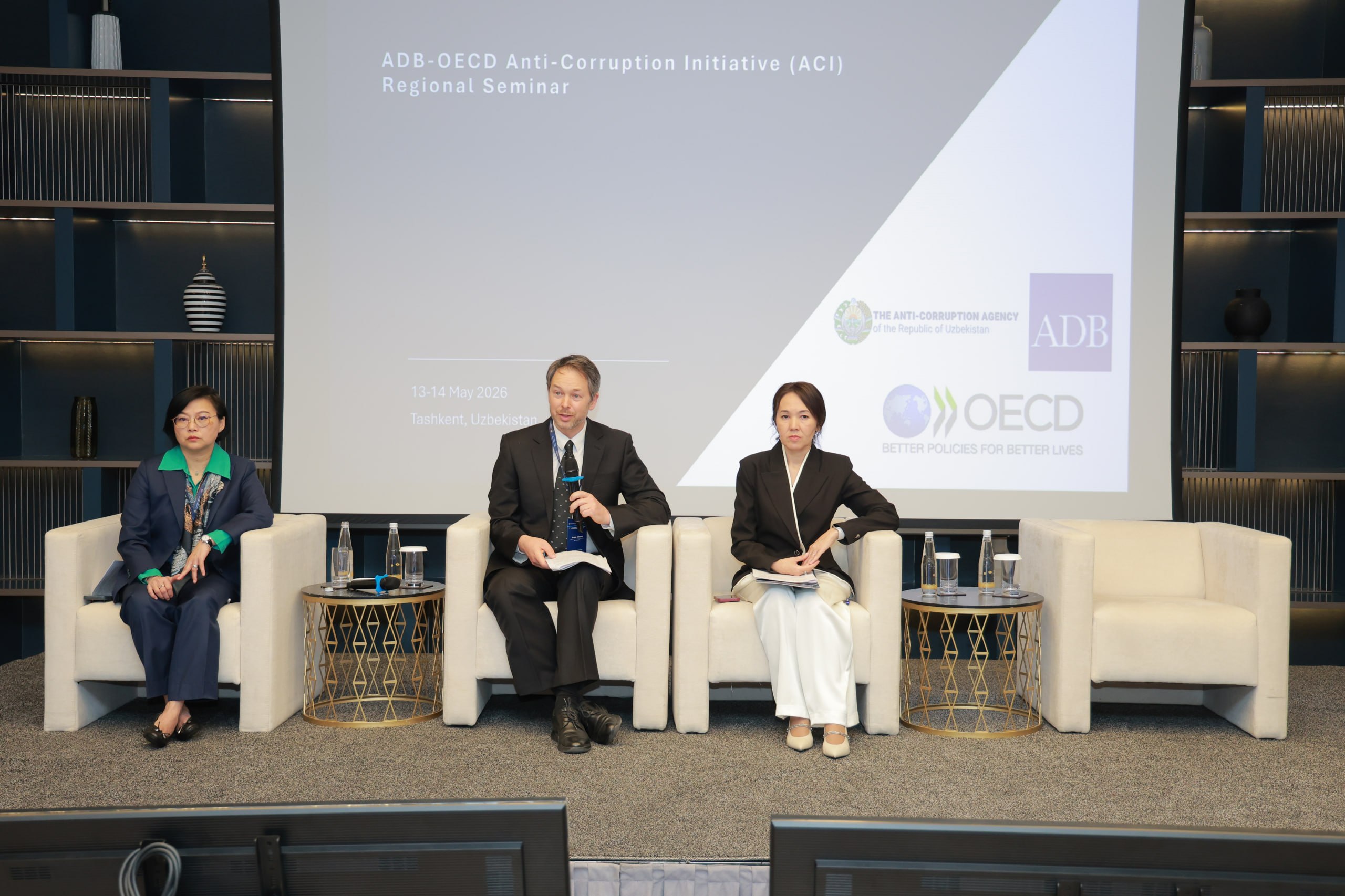
Through interactive sessions and joint discussions, participants exchanged experience in investigating and prosecuting bribery and corruption-related crimes. Common challenges were reviewed, and innovative approaches and solutions were discussed.
It should be noted that the resolution titled “Strengthening Regional Anti-Corruption Measures and Enhancing Cooperation in Central Asia”, discussed during last year’s Anti-Corruption Forum, was submitted by Uzbekistan and adopted at the 11th session of the Conference of the States Parties to the United Nations Convention against Corruption in December 2025. Based on this year’s discussions, proposals, and recommendations, the Declaration of the VI Tashkent Anti-Corruption Forum was also adopted.
Press Service
of the Anti-Corruption Agency
 13.05.2026