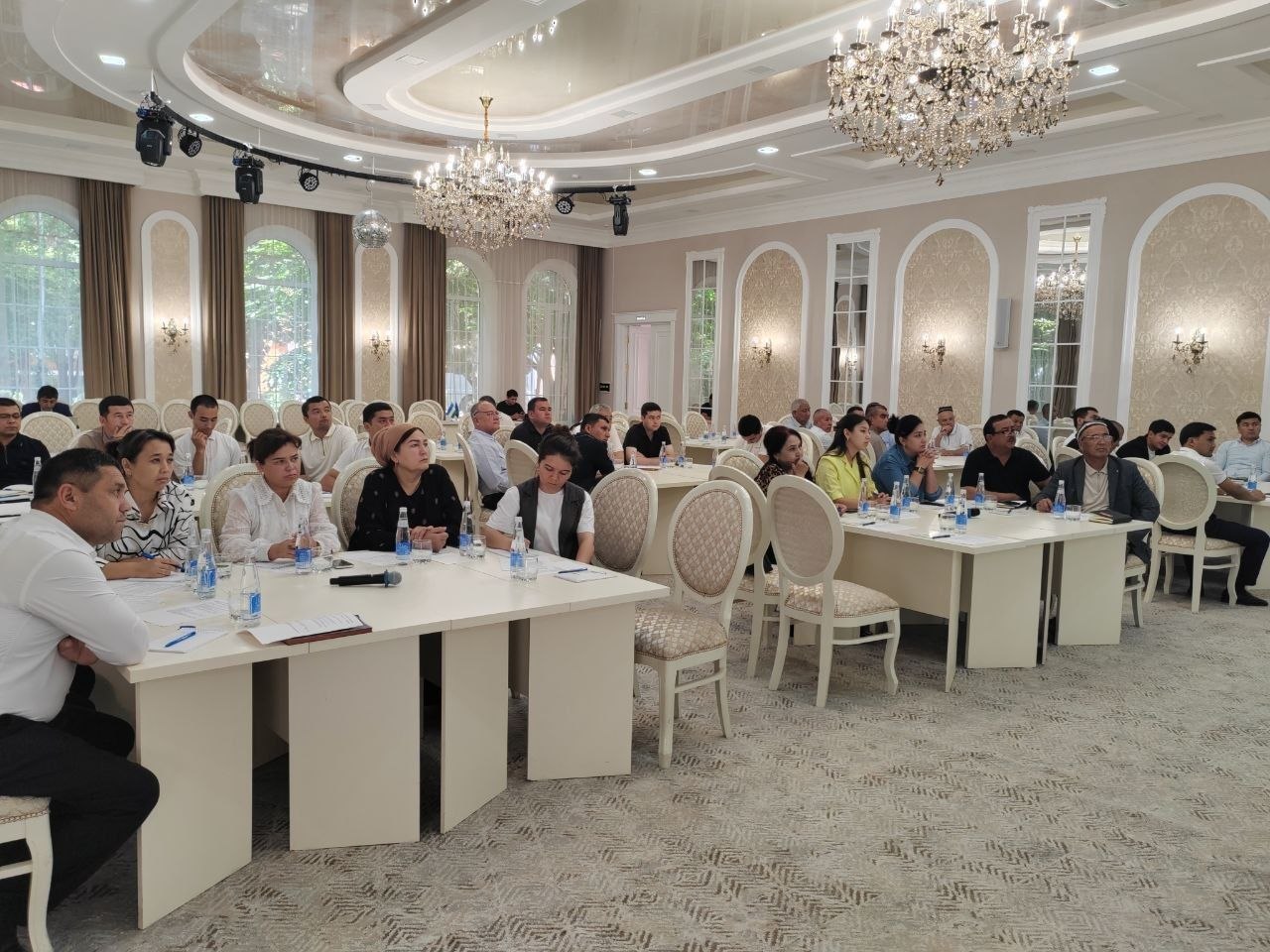
The second phase of the “Integrity Island” methodology is being implemented
As part of the consistent anti-corruption reforms being carried out across the country, the second phase of the “Integrity Island” methodology has been launched.
This phase is based on the results of the pilot implementation carried out in 2024–2025 in Vobkent district of Bukhara region, the city of Jizzakh, and Mirzo Ulugbek district of Tashkent city.
Within the framework of the first phase, local government authorities identified corruption risks in the sectors most vulnerable to corruption, reviewed internal procedures, and developed practical solutions tailored to local conditions.
As a result, strategic roadmaps and action plans for 2025–2026 were approved for each region, outlining concrete measures aimed at reducing corruption risks in the activities of state bodies. The fact that these documents were developed directly by local officials ensures their practical relevance, a high level of local ownership, and personal responsibility for results.
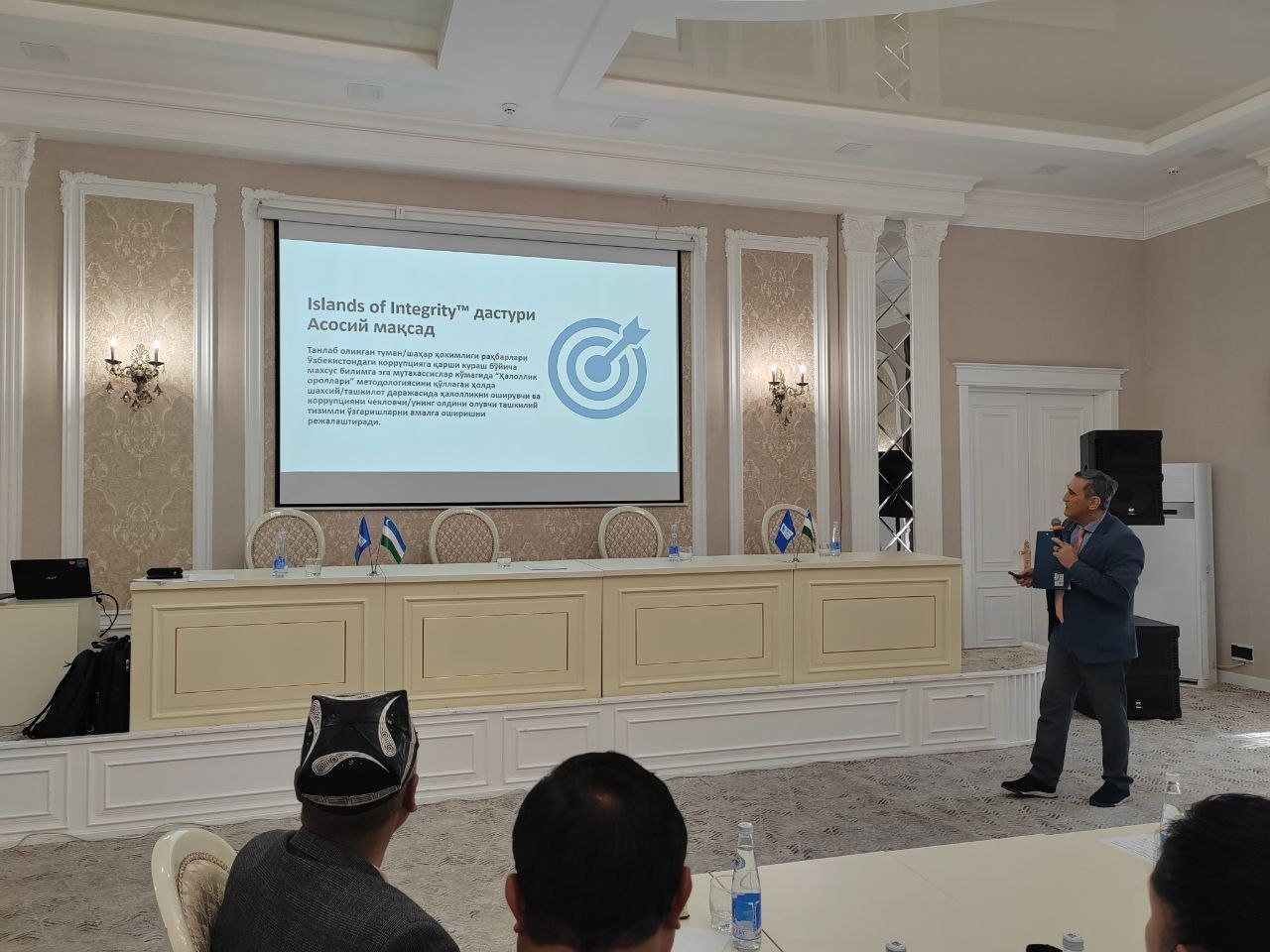
This year, in order to expand the implementation of this approach, work has begun to apply the methodology in Hazorasp district of Khorezm region, Konimex district of Navoi region, Jomboy district of Samarkand region, Oltiariq district of Fergana region, Pop district of Namangan region, and Turtkul district of the Republic of Karakalpakstan.
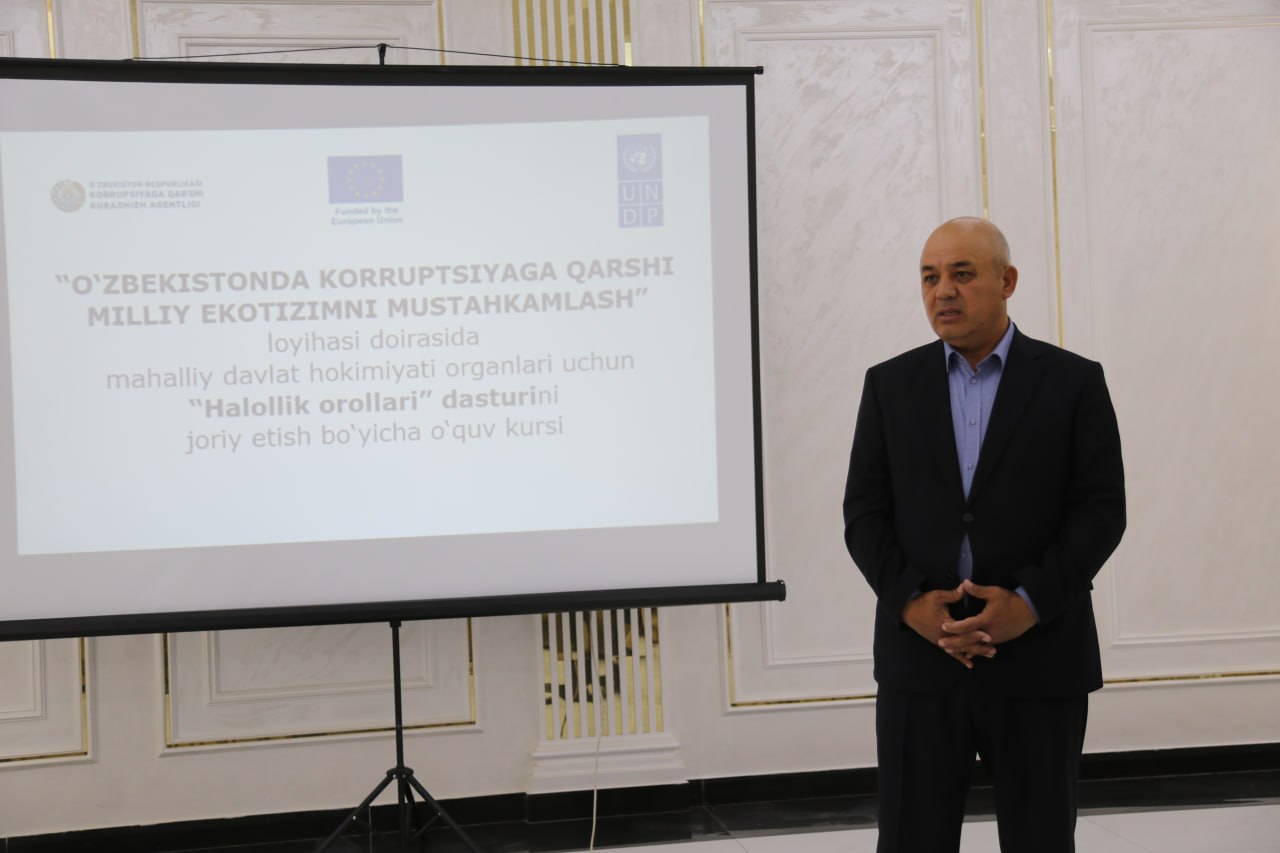
To date, within the framework of the implementation of the “Integrity Islands” program, special training courses have been organized in Hazorasp, Turtkul, and Oltiariq districts for members of territorial councils, representatives of local authorities, and civil society institutions. These trainings are aimed at increasing the effectiveness of anti-corruption and corruption prevention measures.
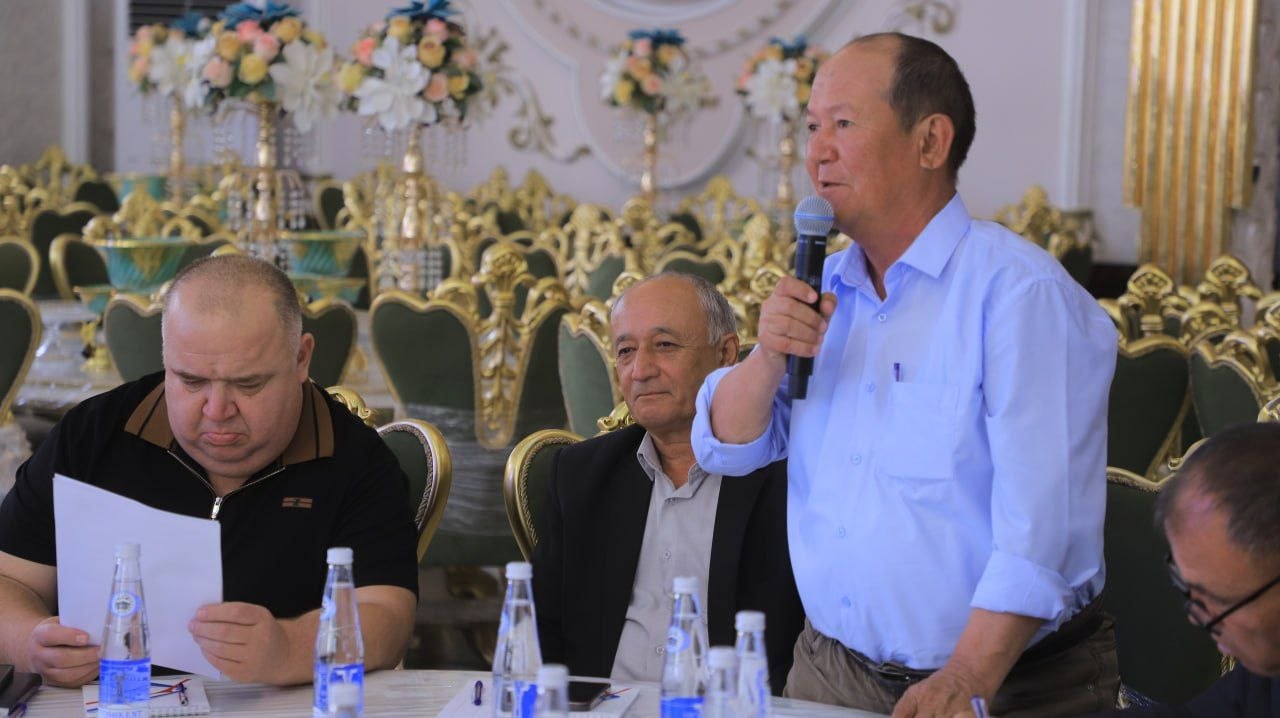
During the training sessions, participants were introduced to effective anti-corruption mechanisms, issues related to ethics and prevention of conflicts of interest among civil servants, strengthening openness and accountability in the activities of local government authorities, as well as the most effective national and international anti-corruption mechanisms.
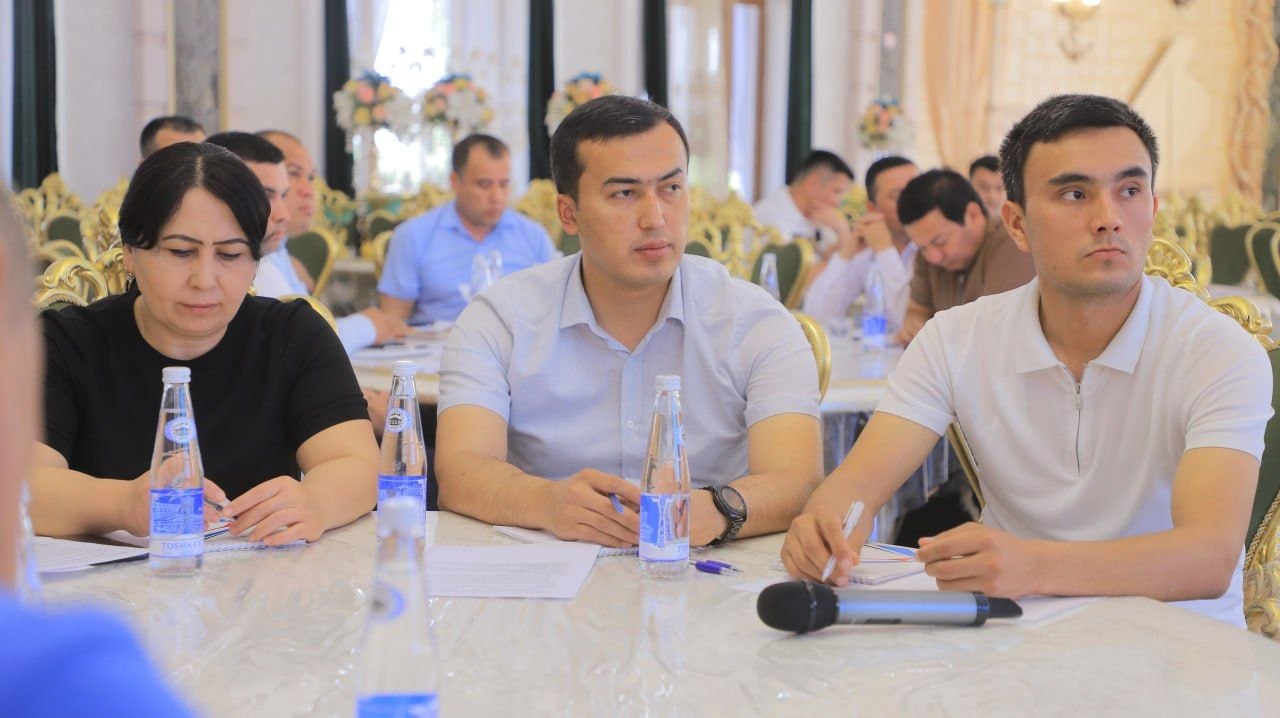
In addition, participants acquired the necessary skills related to new legislative requirements and corruption risk assessment.
For reference: in Uzbekistan, this methodology is being implemented within the framework of the joint project of the Anti-Corruption Agency and the United Nations Development Programme (UNDP), “Strengthening the National Anti-Corruption Ecosystem in Uzbekistan,” funded by the European Union.
Press Service
of the Anti-Corruption Agency